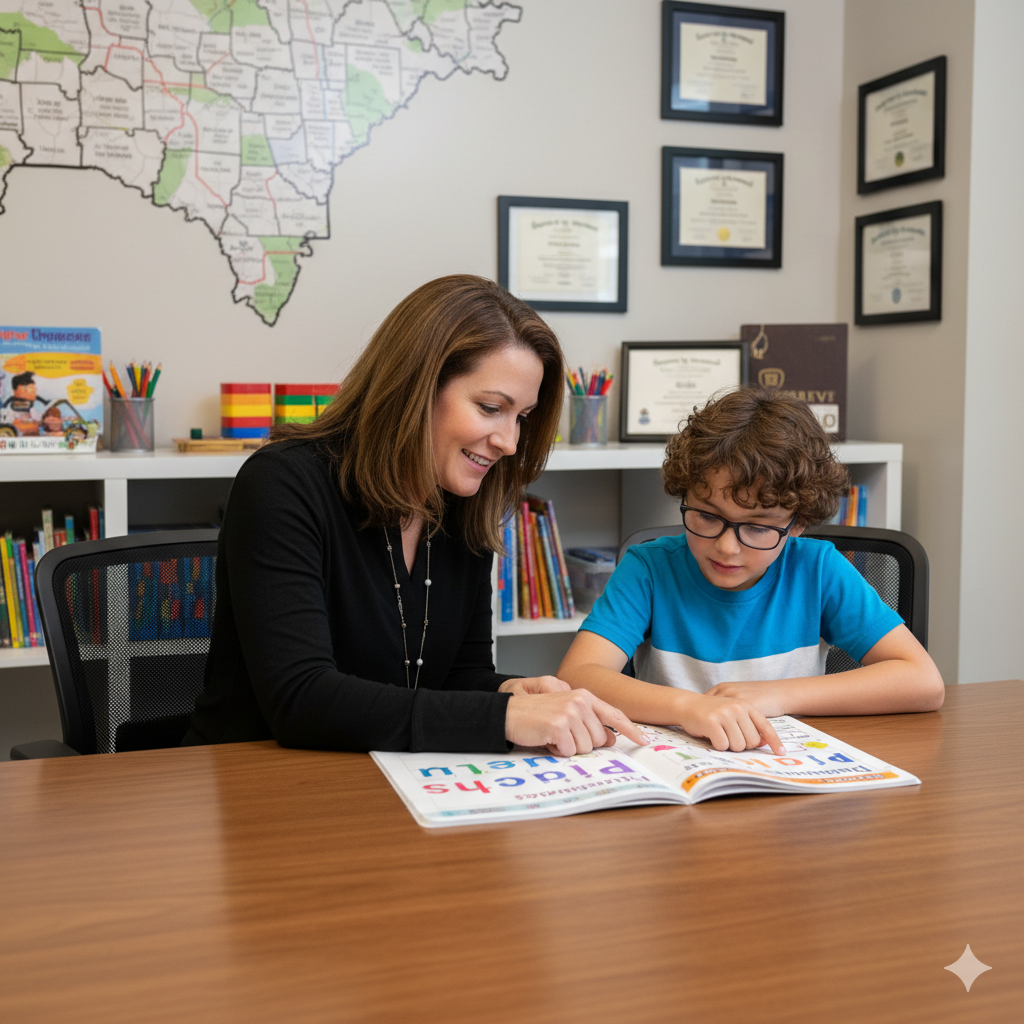
I know how overwhelming it can feel when your child struggles with reading and schoolwork. If you’re searching for a dyslexia remediation program in Lawrenceville, GA, you’re not alone — many families in Gwinnett County look for targeted support that actually moves the needle. According to the U.S. Census Bureau, this county is among Georgia’s largest and most diverse, which makes access to specialized educational services an important local concern for many households.
Why targeted dyslexia remediation matters
Dyslexia isn’t a sign of low intelligence. It’s a specific learning difference that affects how the brain processes language. Without the right instruction, kids can fall behind quickly and lose confidence. That’s why remediation matters: it’s a plan that targets underlying reading skills with proven methods so a child can catch up and keep learning with less frustration.
Common struggles families see
Parents often tell me about long nights of homework battles, letters and words that seem to swap places, and teachers who suggest “practice more.” Those are real pain points. Typical signs that point toward dyslexia include persistent trouble with phonics, slow or inaccurate reading, difficulty spelling, and trouble recalling sounds in words. These issues can show up as early as kindergarten, but sometimes they become clearer in second or third grade when reading demands grow.
What an effective remediation program should include
Not every reading program helps students with dyslexia. An effective remediation program uses explicit, systematic instruction and adjusts to each child’s pace. When I review strong programs, I look for consistent features that research and clinicians recommend.
- Structured, multisensory instruction that connects letters, sounds, and meaning through seeing, saying, and doing.
- Individualized lesson plans based on a formal reading assessment and ongoing progress monitoring.
- Certified instructors trained in evidence-based approaches like Orton-Gillingham or Structured Literacy.
- Practical strategies for the classroom and home so gains transfer beyond tutoring sessions.
Multisensory and Structured Literacy explained
“Multisensory” means using more than one sense at a time — for example, tracing letters while saying their sounds and tapping syllables with fingers. Structured Literacy is a broader approach that emphasizes the structure of language: phonology, orthography, morphology, syntax, and semantics. When these two approaches are combined, students with dyslexia learn the building blocks of reading in a logical, sequential way that sticks.
How the right program works in Lawrenceville and nearby neighborhoods
Families in Lawrenceville, downtown Lawrenceville, and nearby areas like Sugar Hill and Duluth need options that match their child’s schedule and learning style. A quality program in this area will typically offer assessment, individualized instruction, small-group or one-on-one sessions, and teacher collaboration so the school day supports the remediation work.
Examples of supports you should expect
Look for programs that offer:
- Comprehensive reading evaluations that go beyond a single test to show patterns of strength and weakness.
- A written remediation plan with short- and long-term goals that the family and classroom teacher can follow.
- Regular progress reports and adjustments when growth stalls, so time isn’t wasted on ineffective methods.
Trending approaches and new tools in dyslexia support
Reading instruction has evolved. In Lawrenceville and beyond, programs are adopting two major trends that parents often ask about: targeted digital tools and universal design principles in classrooms.
Edtech that helps (when used wisely)
Adaptive reading apps, text-to-speech tools, and phonics software can be powerful when they are selected to reinforce an evidence-based lesson plan rather than replace direct instruction. The most helpful technologies personalize pacing, give immediate feedback, and provide multisensory practice. I encourage families to treat tech as a supplement to, not a substitute for, trained teacher-led remediation.
Universal design for learning
Universal Design for Learning (UDL) means designing lessons so more students can access content from the start. In practice, that looks like built-in supports such as audio options for texts, clear chunking of instructions, and varied ways to show knowledge. Schools that use UDL reduce barriers while still teaching essential reading skills.
How to evaluate local programs: questions to ask
When you’re visiting programs in Lawrenceville or calling for information, have a short checklist ready so you can compare offerings fairly. Here are simple, practical questions that get to the heart of quality remediation.
- What assessments do you use to diagnose reading needs and track progress? Ask for examples of reports so you can see how data guides instruction.
- Which training do your instructors hold? Look for specific training in Structured Literacy, Orton-Gillingham, or other evidence-based methods.
- How do you coordinate with the child’s school and teachers? Successful remediation usually involves collaboration with classroom teachers to reinforce skills during the school day.
- How is progress measured, and how often will I see updates? Frequent, measurable checkpoints are essential for adjusting instruction.
Actionable steps families can take this week
Feeling stuck is the enemy of progress. Here are specific steps you can take right now to move toward better support for your child in the city.
1. Gather existing records. Collect report cards, teacher notes, and any previous evaluations. This written history helps a new assessor target the right tests and interventions quickly. 2. Ask your child’s teacher for concrete examples of struggles and strengths. Sometimes teachers can point to classroom tasks that clarify whether the issue is decoding, fluency, or comprehension. 3. Schedule a formal literacy evaluation with a provider that uses structured assessments; avoid one-off “screenings” that are too brief to guide instruction. 4. Start small practice sessions at home that mirror the program’s lessons — short, consistent routines are more effective than long, irregular efforts.
How a remediation plan typically unfolds
A realistic remediation plan follows a predictable arc: assessment, individualized instruction, consistent practice, and reassessment. Early months focus on the weakest foundational skills, often phonemic awareness and phonics. As those strengthen, lessons expand to build fluency, vocabulary, and comprehension. Regular reassessments ensure the plan adapts if a child progresses faster or needs more time.
What progress looks like
Progress can be a gradual change in speed and accuracy or a step forward in confidence and willingness to read aloud. Objective measures include improved scores on standardized reading measures, faster decoding with fewer errors, and steadier comprehension. Subjective changes — less homework anxiety, more class participation, and improved self-image — are equally important and often follow measurable gains.
Working with schools: IEPs, 504s, and partnerships
Families often wonder whether remediation must be private or if schools can help. Both paths can work well when there’s clear communication and shared goals. If a child qualifies under special education rules, an IEP can guarantee services during the school day. A 504 plan can offer accommodations like extra time, audiobooks, or reduced reading load. If your child is in public schools in this area, ask the school psychologist or special education coordinator for an evaluation to explore these options.
Realistic timelines and common questions
One honest truth is that remediation takes time. Expect meaningful change over months rather than weeks, and allow for plateaus and regressions along the way. Common parent questions I hear include: “Will my child ever read like peers?” and “Is tutoring enough?” With consistent, evidence-based instruction most students make substantial gains; tutoring must be high-quality, targeted, and sustained. Also, pairing remediation with classroom supports creates the best chance for long-term success.
Finding the right fit near Lawrenceville
Choosing a program is partly about credentials and partly about fit. Does the instructor explain teaching methods clearly? Does the child respond well to the tutor or teacher? Can the program provide references or local family testimonials? A good local program will also understand the logistics of the area — school calendars, transportation, and community resources — so services fit into family life here in Gwinnett County.
Costs and funding options to explore
Costs vary widely depending on session frequency and instructor expertise. Some families use private pay, while others explore scholarships, county resources, or educational savings plans. If your child has an IEP or 504, some services may be available through the public school system, which can reduce out-of-pocket costs. It’s worth asking every provider about sliding scales, package rates, or trial programs so you can evaluate value before committing.
Final thoughts and next steps
Finding the right dyslexia remediation program in Lawrenceville, GA can feel like navigating a maze, but a clear checklist and a focus on evidence-based practices make the journey manageable. Start with a good assessment, choose a program that uses structured multisensory instruction, demand regular progress checks, and get your child’s classroom teacher involved. Small, consistent steps will add up to real reading gains and a happier school experience for your child.
If you’re ready to talk specifics for your family and want a local partner that specializes in individualized learning plans in the area, consider reaching out to The Sage School for details and next steps. The Sage School can walk you through assessments, program options, and how to coordinate with your child’s school.